
The ultimate kitchen remodel checklist for home owners
- Jul 15, 2025
- 5 min read
Updated: Jul 17, 2025
Remodeling your kitchen is one of the most rewarding yet daunting tasks a homeowner can undertake. A kitchen remodel not only enhances your home’s aesthetic appeal but also increases its value. However, a successful remodel requires thorough planning and execution. This ultimate kitchen remodel checklist is designed to guide homeowners through each phase of the process, ensuring no detail is overlooked.
Understanding the Importance of a Kitchen Remodel
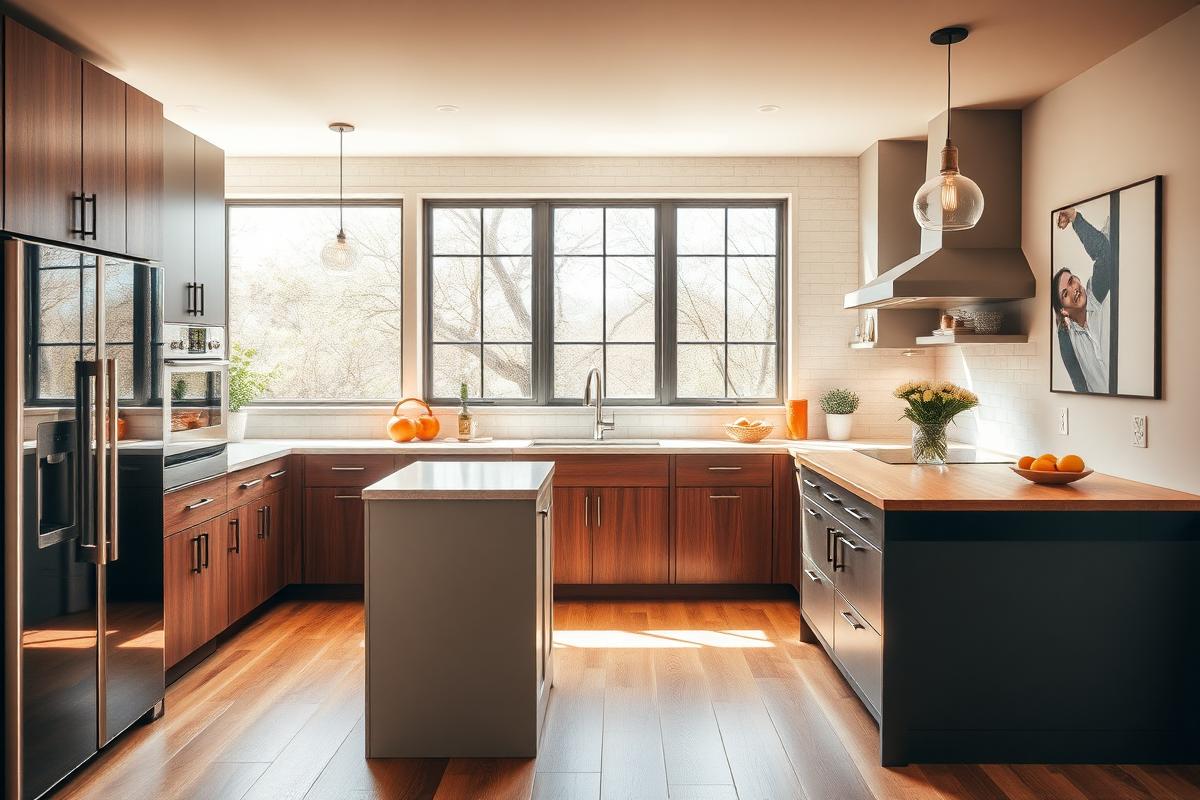
A kitchen remodel is not just about changing the appearance of the space; it involves improving functionality, efficiency, and comfort. Often, homeowners find themselves frustrated with their current kitchen layout, outdated appliances, or insufficient storage. By investing in a kitchen renovation, you can create a space that meets your culinary needs while reflecting your personal style.
Enhancing Home Value
One of the primary reasons homeowners opt for a kitchen remodel is to increase their property value. According to real estate experts, kitchens and bathrooms are the most critical areas that prospective buyers focus on. A well-designed kitchen can yield a significant return on investment, making it a wise choice for those considering selling their home in the future.
Addressing Common Misconceptions
Many homeowners mistakenly believe that a kitchen remodel is solely about aesthetics. While beautiful finishes and modern appliances are essential, functionality should take precedence. Prioritizing a layout that optimizes workflow can significantly enhance the cooking experience. Additionally, budget constraints often lead to compromises that can diminish the overall quality of the remodel. Understanding the full scope of a kitchen renovation can help mitigate these issues.
The Kitchen Remodel Checklist: Step-by-Step Guide
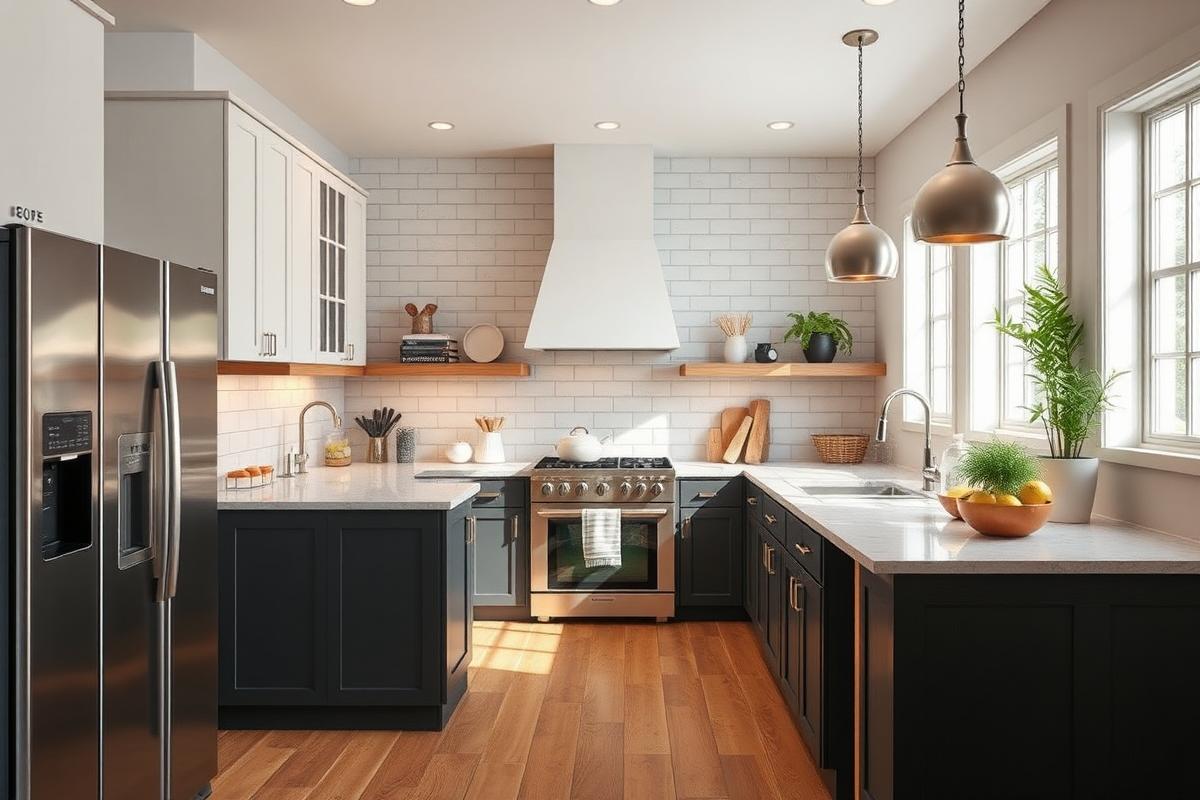
To ensure a successful kitchen remodel, follow this comprehensive checklist that encompasses every aspect of the renovation process.
Planning and Research
Establishing Your Goals
Begin by defining your goals for the kitchen remodel. Consider what aspects of your current kitchen are lacking and how you envision your new space. Common goals include:
- Improving storage solutions
- Upgrading appliances for energy efficiency
- Enhancing the kitchen's overall aesthetic
Setting a Budget
Once your goals are established, set a realistic budget. This budget should encompass all facets of the remodel, including materials, labor, and unexpected expenses. A well-defined budget can help guide your decisions throughout the process and prevent overspending.
Researching Trends and Styles
Take time to research current kitchen design trends and styles. Whether you prefer a modern, minimalist look or a more traditional, rustic feel, gathering inspiration can help clarify your vision. Utilize platforms like Pinterest or Houzz to compile ideas that resonate with your style preferences.
Designing Your Kitchen
Creating a Functional Layout
The kitchen layout is fundamental to the remodel. Consider the following popular layouts:
- L-Shaped: Ideal for smaller spaces, allowing for efficient workflow.
- U-Shaped: Provides ample counter space and storage, suitable for larger kitchens.
- Galley: Perfect for narrow spaces, ensuring an efficient cooking area.
Evaluate how each layout can improve your kitchen’s functionality.
Selecting Materials and Finishes
Choosing the right materials is crucial for both aesthetics and durability. Common materials include:
- Countertops: Options range from granite to quartz and laminate.
- Cabinetry: Consider both style and material, such as solid wood or MDF.
- Flooring: Durable choices include tile, hardwood, and luxury vinyl.
Take into account the maintenance required for each material, as this will impact long-term satisfaction with your remodel.
Hiring Professionals
Finding the Right Contractors
Hiring the right professionals can make or break your kitchen remodel. Seek recommendations from friends or family, and conduct thorough interviews with potential contractors. Key questions to ask include:
- What is your experience with kitchen remodels?
- Can you provide references from previous clients?
- What is your timeline for completion?
Understanding Contracts and Agreements
Once you select a contractor, ensure you fully understand the contract. Pay close attention to timelines, payment schedules, and warranties. A well-drafted contract can protect you from potential disputes during the remodel process.
Executing the Remodel
Preparing for Demolition
Before the renovation begins, prepare your kitchen for demolition. This may involve:
- Clearing out cabinets and drawers
- Removing all appliances
- Setting up a temporary kitchen in another room
This preparation can help streamline the remodeling process and minimize disruption.
Managing the Construction Process
During the construction phase, maintain open communication with your contractor. Regular updates on progress can help address any concerns that arise. Additionally, be prepared for unexpected issues, such as plumbing or electrical problems, which may require immediate attention.
Final Touches
Installing Fixtures and Appliances
Once the major construction is complete, it’s time to install fixtures and appliances. Focus on:
- Choosing energy-efficient appliances to reduce utility costs
- Selecting stylish and functional fixtures, such as faucets and lighting
- Ensuring proper installation to avoid future issues
Adding Personal Touches
The final step in your kitchen remodel involves personalizing the space. Consider:
- Decorative accents, such as artwork or plants
- Functional items that enhance usability, like drawer organizers
- Colorful dishware or cookware that complements your design theme
These personal touches can transform a renovated kitchen into a welcoming and inviting space.
Common Mistakes to Avoid

Despite thorough planning, many homeowners encounter common pitfalls during a kitchen remodel. Being aware of these mistakes can help you avoid them.
Underestimating Costs
One of the most significant mistakes homeowners make is underestimating the total costs of a remodel. It's essential to account for every detail, including permits, labor, and materials. Unexpected expenses often arise, so it's wise to set aside a contingency fund.
Skipping the Planning Phase
Rushing through the planning phase can lead to a lack of clarity in your vision. Take the time to research and outline your goals, budget, and design preferences. A well-thought-out plan is critical to ensuring a successful remodel.
Ignoring Functionality
While aesthetics are important, neglecting functionality can lead to dissatisfaction with your new kitchen. Prioritize a design that enhances workflow and usability, ensuring that the space works for you and your family.
Conclusion
A kitchen remodel can be a transformative experience for homeowners, providing both aesthetic appeal and increased functionality. By following this ultimate kitchen remodel checklist, you can navigate the process with confidence and clarity. From planning and design to execution and personalization, each step is crucial to achieving your dream kitchen.
As you embark on your kitchen renovation journey, remember to conduct thorough research, communicate effectively with contractors, and prioritize both beauty and functionality. With careful planning and execution, your kitchen can become the heart of your home, a place where culinary creativity flourishes, and memories are made.
If you are ready to start your kitchen remodel, consider consulting with professionals who can guide you through the process, or explore design tools that can help visualize your dream space. For further reading, check out resources on kitchen design trends and renovation tips to ensure you make the most of your investment.


