
Expert Landscaping Trends to Boost Property Value
- Aug 19, 2025
- 5 min read
Landscaping plays a pivotal role in enhancing the aesthetic appeal and overall value of a property. As we progress through 2025, several trends are emerging that can significantly influence the landscaping strategies adopted by property owners. Understanding these trends not only helps in creating a welcoming environment but also in maximizing investment returns. This article delves into expert landscaping trends that can elevate property value while discussing essential concepts like hardscaping and softscaping.
Understanding Landscaping's Impact on Property Value
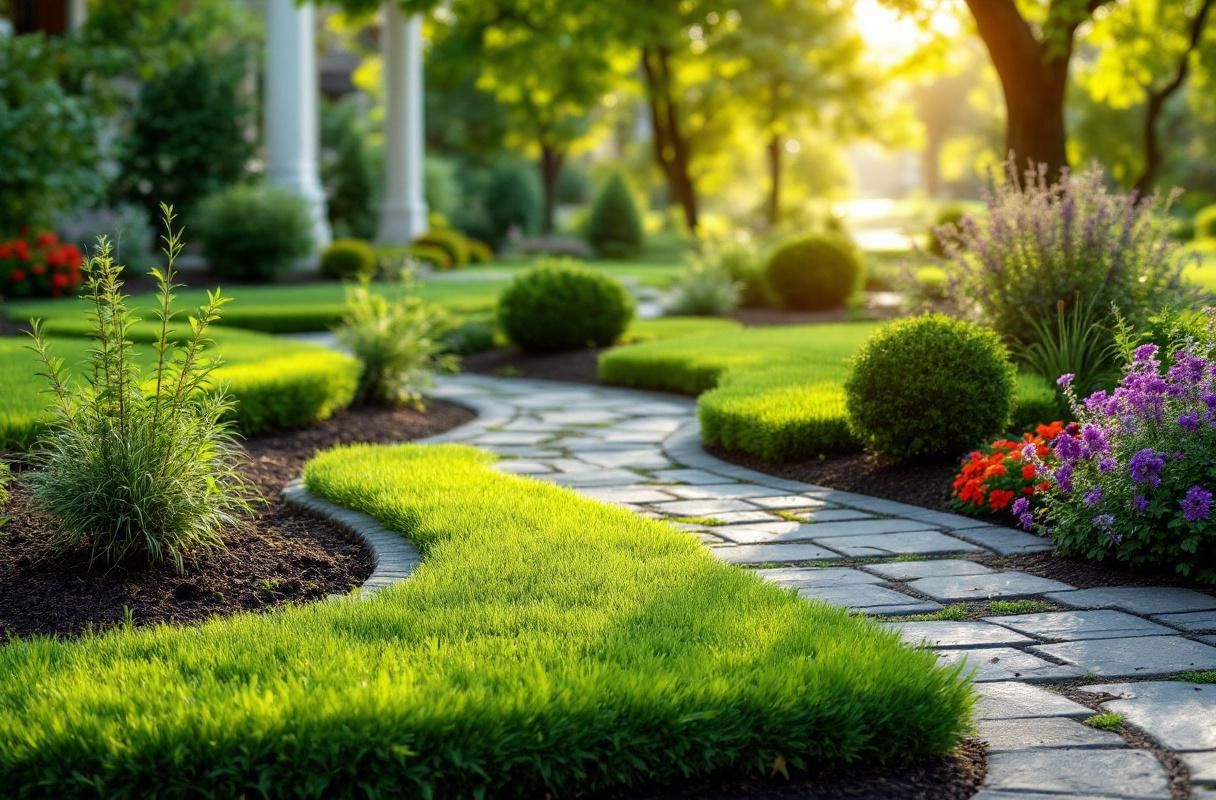
Landscaping is not merely about planting flowers and maintaining lawns. It encompasses a variety of elements, including design, functionality, and sustainability. A well-designed landscape can improve the curb appeal of a property, making it more attractive to potential buyers. According to the National Association of Realtors, well-executed landscaping can yield a return on investment of up to 100% or more when selling a home.
Investing in landscaping can also positively impact how a property is perceived in the market. Properties with appealing landscapes are often seen as well-maintained and inviting, which can lead to quicker sales and potentially higher offers. Therefore, understanding the latest trends in landscaping is crucial for business owners looking to enhance their property value.
Key Trends in Landscaping for 2025
As we explore the current trends in landscaping, several key themes have emerged that are shaping how properties are designed and maintained. These trends reflect a blend of aesthetics, sustainability, and functionality.
Sustainable Landscaping Practices
- Eco-friendly landscaping is on the rise, with more property owners opting for native plants that require less water and maintenance.
- Implementing rain gardens and permeable paving can help manage stormwater and reduce runoff, promoting environmental sustainability.
Outdoor Living Spaces
- The demand for functional outdoor spaces has surged, with features like patios, kitchens, and fire pits becoming essential components of landscape design.
- These spaces not only enhance the enjoyment of the property but also increase its value by expanding usable square footage.
Smart Technology Integration
- The integration of smart technology in landscaping, such as automated irrigation systems and landscape lighting, is becoming increasingly popular.
- These innovations not only improve efficiency but also add a modern touch that appeals to tech-savvy buyers.
Low-Maintenance Landscapes
- Business owners are increasingly looking for landscaping solutions that require minimal upkeep, allowing them to focus on their core operations.
- Using drought-resistant plants and synthetic turf can drastically reduce maintenance needs while maintaining an attractive appearance.
Hardscaping vs. Softscaping
- Understanding the balance between hardscaping and softscaping is vital in creating a visually appealing and functional landscape.
Hardscaping vs. Softscaping: What You Need to Know
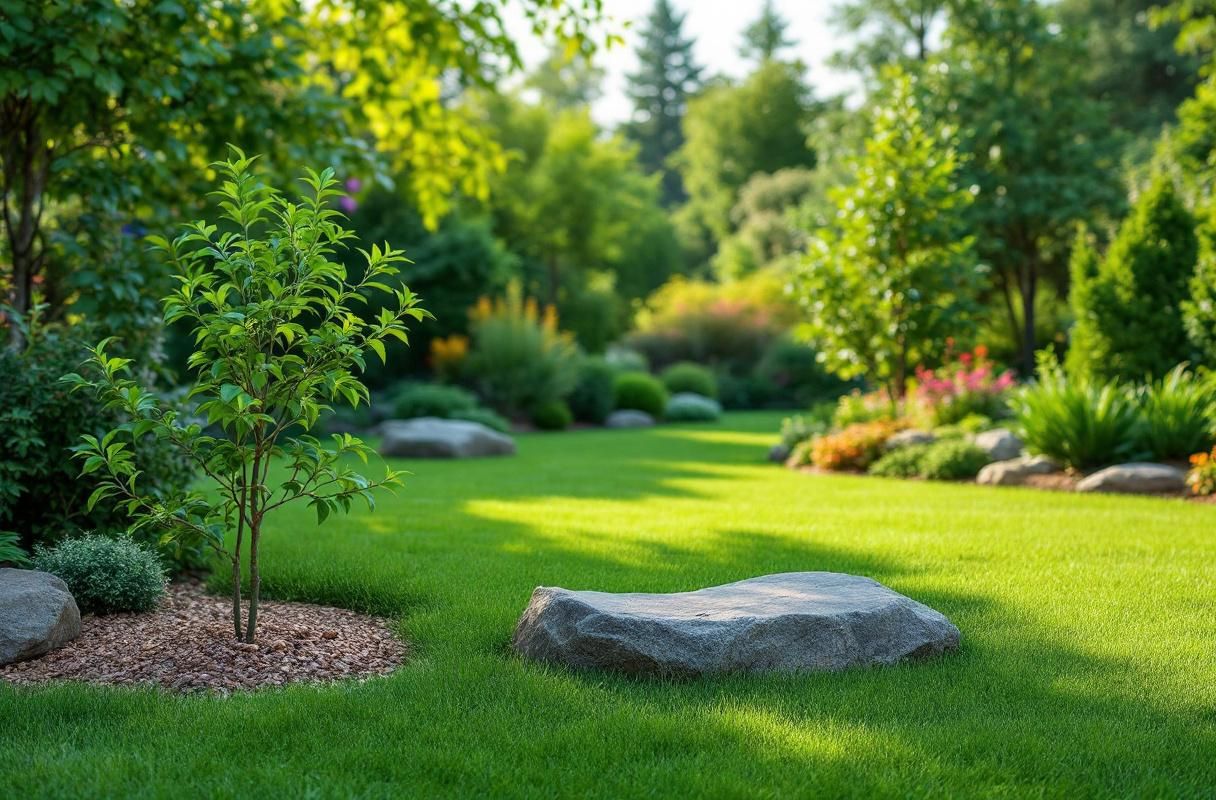
When designing a landscape, two fundamental components come into play: hardscaping and softscaping. Both elements serve distinct purposes and contribute to the overall aesthetic and functionality of the landscape.
Defining Hardscaping
Hardscaping refers to the non-plant elements of landscaping. This includes features such as:
- Patios and decks
- Walkways and driveways
- Retaining walls
- Water features like fountains and ponds
- Outdoor kitchens and fire pits
Hardscaping adds structure and functionality to a landscape. It can create defined spaces for activities and enhance the usability of outdoor areas. Moreover, hardscaping materials, such as stone, brick, and concrete, are durable and require less maintenance compared to plants.
Benefits of Hardscaping
- Durability:Hardscaping elements are built to last, reducing the need for frequent replacements.
- Low Maintenance:Unlike plants, hardscaping does not require regular watering, pruning, or fertilizing.
- Increased Usability:Hardscaping can create functional outdoor spaces that can be used year-round.
Understanding Softscaping
Softscaping, on the other hand, refers to the living elements of landscaping, including:
- Trees and shrubs
- Flowers and plants
- Lawns and grass areas
- Garden beds
Softscaping adds color, texture, and life to a landscape. It creates a vibrant environment that can enhance the mood and aesthetic appeal of a property.
Benefits of Softscaping
- Aesthetic Appeal:Softscaping adds beauty and charm to a property, making it more inviting.
- Environmental Benefits:Plants improve air quality, provide shade, and support local wildlife.
- Seasonal Variety:Softscaping allows for seasonal changes, offering different looks throughout the year.
Finding the Right Balance
Achieving a harmonious balance between hardscaping and softscaping is crucial. A well-planned landscape incorporates both elements to create a cohesive design. For instance, a patio surrounded by colorful flower beds can provide a stunning focal point while ensuring the space remains functional.
When planning a landscaping project, consider the following:
- Assess the space and determine the intended use.
- Choose materials that complement the architecture of the property.
- Select plants that are suitable for the local climate and soil conditions.
- Create defined areas using hardscaping to enhance functionality.
Common Landscaping Mistakes to Avoid
While landscaping can significantly boost property value, several common mistakes can undermine these efforts. Understanding these pitfalls is essential for business owners looking to invest in their properties.
Overplanting
One of the most frequent mistakes is overplanting. While adding greenery is beneficial, overcrowding can lead to competition for resources, resulting in unhealthy plants. To avoid this, plan the layout carefully and leave adequate space for plants to grow.
Neglecting Maintenance
Landscaping requires ongoing maintenance, and neglecting this aspect can lead to overgrown plants and deteriorating hardscaping features. Establish a regular maintenance schedule to ensure the landscape remains in prime condition.
Ignoring Local Climate
Choosing plants that are not suited for the local climate can lead to poor growth and increased maintenance needs. Research native plants and consult local gardening experts to select appropriate species for your area.
Skimping on Quality Materials
Investing in low-quality materials for hardscaping can result in premature wear and tear. Choose durable materials that can withstand local weather conditions and maintain their appearance over time.
Actionable Landscaping Tips for Property Owners
To capitalize on the benefits of landscaping, property owners should consider implementing the following tips:
Conduct a Landscape Assessment
- Evaluate the current state of the landscape and identify areas for improvement.
- Consider factors such as functionality, aesthetics, and maintenance needs.
Set a Budget
- Determine a realistic budget for your landscaping project.
- Factor in costs for plants, materials, labor, and ongoing maintenance.
Engage Professionals
- Consider hiring a landscape designer or contractor to create a cohesive plan.
- Professionals can provide valuable insights and help avoid common pitfalls.
Incorporate Sustainable Practices
- Use native plants and drought-resistant species to minimize water usage.
- Implement rainwater harvesting and composting to promote sustainability.
Focus on Seasonal Interest
- Choose a variety of plants that bloom at different times throughout the year.
- Incorporate evergreens for year-round greenery and structure.
Transform Your Landscaping Strategy with PDX Home Revival
For business owners looking to enhance their properties through effective landscaping strategies, PDX Home Revival offers comprehensive services tailored to your needs. Our expertise in landscape design, hardscaping, and sustainable practices positions us as a trusted partner in transforming your outdoor spaces.
If you're ready to implement these landscaping strategies to boost your property value, PDX Home Revival is here to help. Our services can assist you in creating a stunning, functional landscape that will appeal to potential buyers and elevate your business profile. Visit our website or contact us today to learn more about how we can help you achieve your landscaping goals.


